

We’ve all had one of those nights: lying there at 2am, staring at the ceiling. Eyes burning, mind racing, and you’re considering getting up to attempt some bedtime yoga for the first time ever. But what about when this happens too often and starts to affect our daily lives? Whether you’re struggling with sleeplessness a little too often, or full-blown insomnia, here are some techniques you can try!
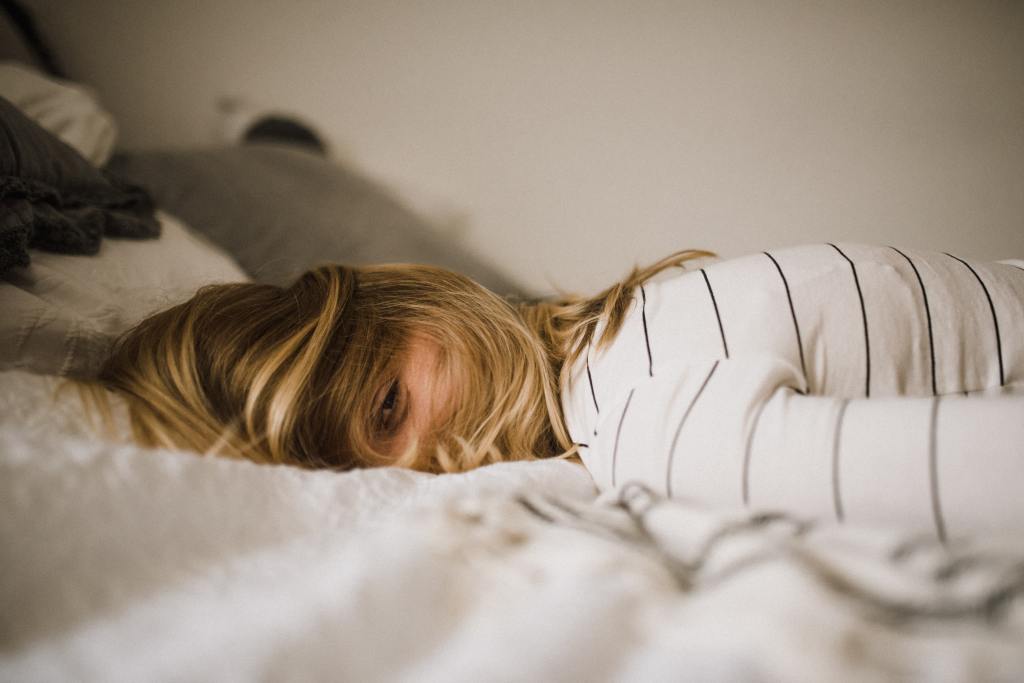
Insomnia vs Sleeplessness
Insomnia is a sleep disorder. It’s characterized by difficulty falling asleep, staying asleep, and poor quality sleep that results in impairments during the next day. This is a topic on its own, and I will cover it in my next blog post.
Sleeplessness happens occasionally and can mean difficulty falling asleep, staying asleep, and not getting good quality sleep, but the daytime impairments the next day are minimal or absent. Sleeplessness can occur for a multitude of reasons:
Environmental factors: These would include the nature of your surroundings as you are trying to go to sleep.
(1) Your “sleep posture” plays a huge role in how well you sleep. You may injure your back or neck, you may struggle with heartburn, or even sleep apnea. All of these things could contribute to sleeplessness and poor quality sleep. Next time you are struggling with your sleep, take note of how you are lying. Are you, firstly, in a bed or on a couch in front of the TV? What position are you in? Are you feeling comfortable or is there strain on your body? This article had some great information on the different sleeping positions and how they can help you or hurt you!
(2) Your circadian rhythm, also known as your sleep-wake cycle, is your internal clock that tells your body when to be awake and when to be tired. Lights of any kind tells your brain that it’s time to be awake and thus you struggle to fall asleep. You are basically trying to tell your body to fall asleep in what your brain thinks is some time during the day!
Blue light fits into this category also by messing with our clock, and is very applicable to our lives these days. Blue light is the artificial light that comes from our cellphones, laptops, and TVs. During the daytime after exposure we might see a boost in our concentration and alertness, but that is not so desirable when we are trying to go to sleep!
(3) Ever tried to go to sleep to the sound of a ticking clock? A snoring partner? A party next door? Your brain picks up on these sounds and stays awake trying to process them. You may struggle to fall asleep when your brain is processing external information.
Stress: Stress and anxiety are a huge block to sleep. Not only does your brain have to process and organize the information it’s sifting through- all those terrible, stressful thoughts- but it also launches a stress response from your body. Your heart-rate may increase and your cortisol may rise. Cortisol is your “stress hormone” – it’s the one that helps to launch your fight or flight response so that you can survive your encounter with that dinosaur (in this case, the financial woes, or the upcoming exam). Cortisol helps us become more alert and aware, which is why it peaks in the morning and decreases throughput the day. What I’m trying to say is: How can you expect your body to fall asleep when you are staring into the eyes of a dinosaur? (or so your brain thinks…)
Temperature: Our body temperature tends to be cooler at night as we sleep, and rise in the morning as we approach waking up. Temperature is strongly intertwined with the sleep-wake cycle – you can read the science in this awesome article!
Sleep Hygiene Techniques
Keeping all of the above causes of sleeplessness in mind, we can see that actually the techniques we refer to as “sleep hygiene” are very logical.
(1) Create the ideal environment:
• Ensure that you are lying in bed in a position that is comfortable for you- that supports your body and allows appropriate airflow to your lungs.
• Ensure that the room is as dark as possible. Light is disturbing and even light from under the door, or the red alarm light could be impacting your sleep. And definitely make sure that you try your best to avoid blue light 2 hours before bed (I use a blue light filter on my phone!). This means no TV, checking emails, or social media before bed- I know I know, easier said than done…
• Ensure that all controllable sounds are taken care of. Avoid putting a clock in your room, for example. You can even invest in a good pair of ear plugs for those extra noise-sensitive nights.
• According to Sleepfoundation.org, the ideal room temperature is 18⁰C. This seems a little cold for my liking, and maybe you feel the same. Make sure that the room is comfortable for you- not too hot and not too cold. Ensure that your pajamas and duvet set aren’t going to make you too hot or too cold as well.
(2) Manage stress
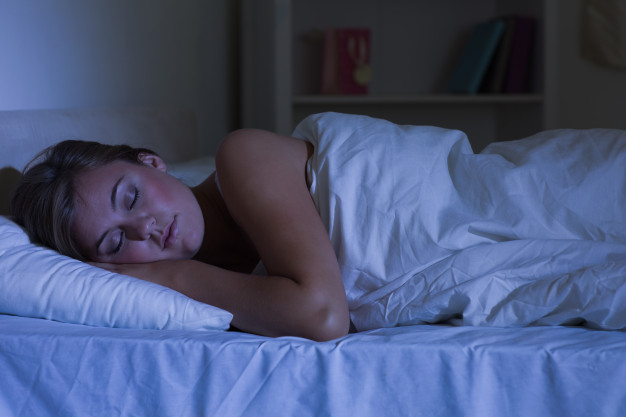
Stress is unfortunately a part of our lives more often than not. I wish I could recommend getting rid of the source of your stress all together (if you can, by all means do it!), but for most of us it’s just not an option. If it’s not finances, it’s kids, it’s work, it’s family drama. The best we can do is learn techniques that one can use to manage stress better. You can use supplements such as L-theanine, herbal remedies such as Avena sativa, and flower essences such as Bach Rescue Remedy. But you must make an effort to practice mindfulness and employ techniques to manage your stress. Get help from a professional if you feel like you are not coping.
(3) Create a relaxing bedtime routine
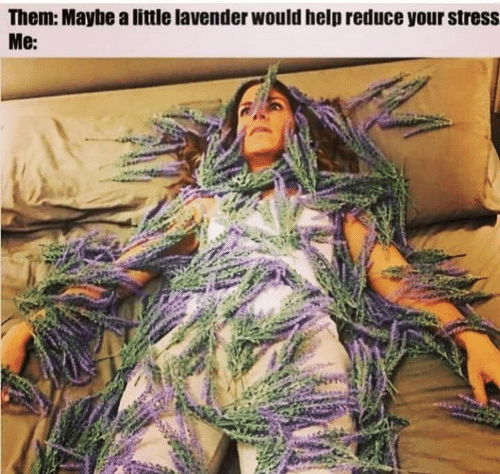
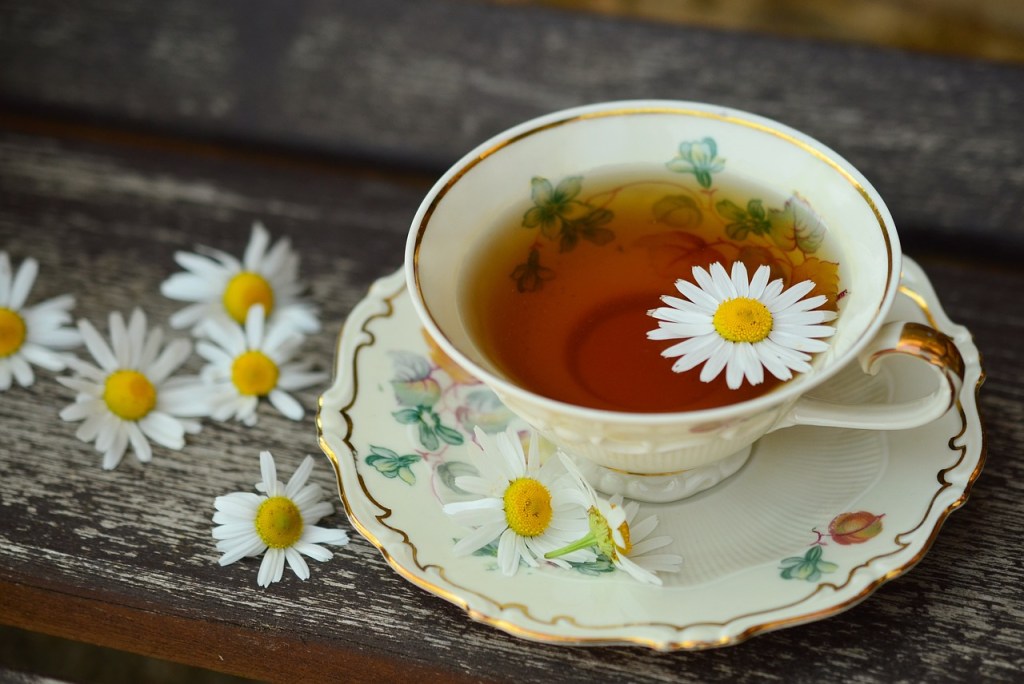
Included in this routine should be things that calm you and make you happy and relaxed. Use thing like lavender in your bath, drink some chamomile tea, do some light stretching before bed. The whole idea of the routine is to relax you and ensure that your brain isn’t over-processing information (put down the phone!), and that your body doesn’t feel like it’s getting ready to run a marathon.
These techniques can go a long way in helping you fall asleep whether you are suffering from insomnia or occasional sleeplessness. Give them a try and let me know which one helped you most!
If you have any questions or are struggling with your sleep, pop me an email at Info@DrLornaBlackwell.co.za or visit my website and make a booking online!
Disclaimer! Always consult your primary health care provider for any conditions and before taking any online medical advice. As previously mentioned- be cautious when using supplements and herbals.
 Love Naturally
Another excellent article – thank you Dr Lorna. I’m already looking forward to the next one.
LikeLike
Thanks, Richard! Sleep well 🙂
LikeLike