
No Alcohol? No Problem! An Opportunity for Healthier You!

For many people alcohol is considered essential in their lives. I have already had a few patients expressing the difficulty they are having with the ban on alcohol sales during the lockdown. For some drinking alcohol is a daily or social habit, but for some it’s a (albeit unhealthy) coping mechanism to escape some aspect in their lives. If you are struggling with it and can’t see the light at the end of the tunnel, please reach out and get yourself some help. There are awesome sources that are even offering online help.

Photo by 丁亦然 on Unsplash

Why is the alcohol ban a good thing for South Africa? Alcohol is responsible for many road accidents, violent altercations, medical emergencies and, basically, having less of it to go around means that more attention and space can be made in hospitals should someone need medical attention for something else, like COVID-19.

Why is the alcohol ban a great thing for you? Now is a fantastic opportunity to seize the day and help your body become healthier and happier than before! Quitting alcohol has many benefits including a clearer mind, better sleep, more energy, weight loss, a safer living environment, and a healthier body!

Photo by Fernando Brasil on Unsplash

Your liver is an amazing organ- it’s worth looking after. It the only organ that can regenerate- that’s how important it is. It has so many functions and if the liver is damaged enough that it can’t regenerate, it cannot perform these vital functions, and that is not a place you want to get to. A big function of the liver is to process and detoxify the things that come through your body- like alcohol. Because of the way that alcohol is metabolized in the liver, we end up with a lot of by-products that cause oxidative stress on the liver (a fancy way of saying that these by-products cause inflammation and damage to other cells). The liver is also less able to metabolize fats, and so we end up with an excess of fats that get damaged (your cells walls are made of fats). Extra fats + extra damaging cells = cell damage/cell death = a damaged, unhappy liver. (Read this article or this one!).
Photo taken Harvard Health Blog

The first step to looking after this very important organ is to stop damaging it- i.e. stop drinking (that’ll be easy at the moment!), and to give your liver the support it needs in the form of:

  1. Herbal medicine
  2. Homeopathic medicine
  3. Supplementation

Herbal medicine: One of the most well-known herbs recommended for liver health is Milk thistle, and for good reason! Keeping in mind the way that alcohol damages the liver, the active compound in Milk thistle, Silymarin, has been shown to reduce oxidative stress, reduce the fat damage, and therefore reduce cell damage and cell death. It also prevents the reduction of glutathione in the liver which is a really important, potent anti-oxidant (meaning it also prevents cell death)!
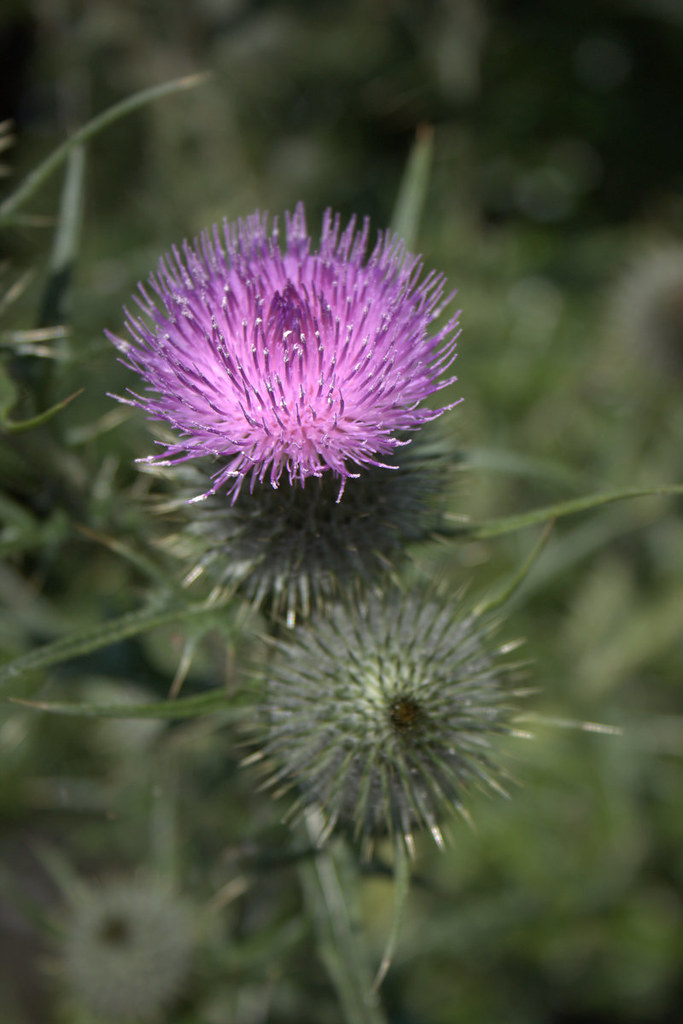
IMG_0416 by leetneko is licensed under CC BY 2.0

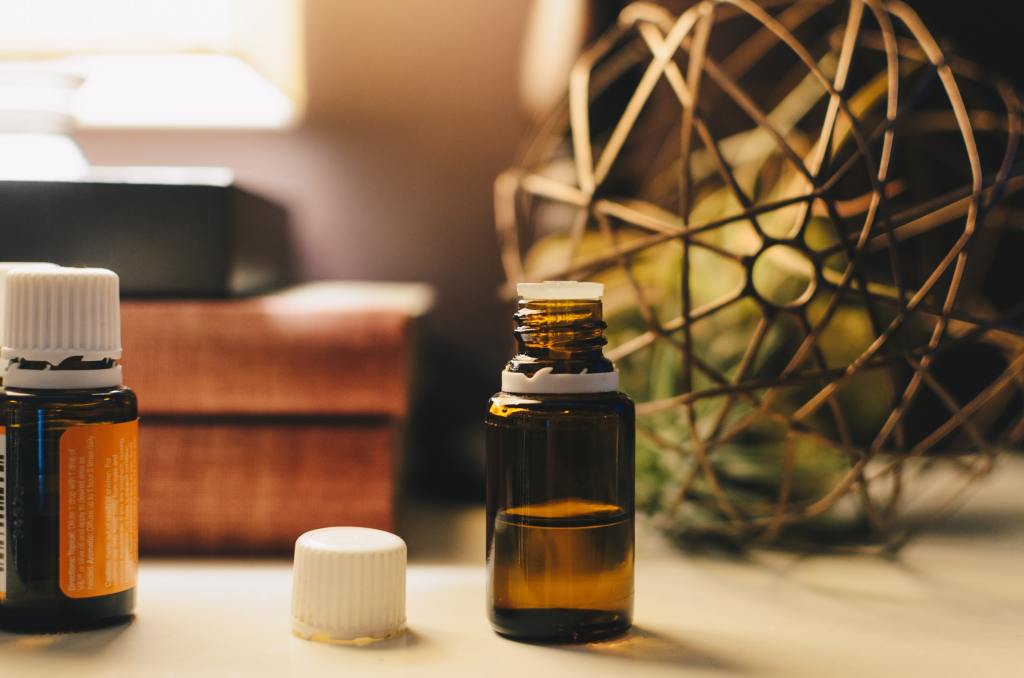
Homeopathic medicine: Homeopathy is an awesome asset to help assist you with those horrible symptoms caused from alcohol use, or even minor-withdrawal*. Symptoms may include headaches, mild anxiety, mild irritation and moodiness, shakyness, etc. A qualified homeopath can assess your individual symptoms (because you are not the same as everyone else!) and formulate the best way forward for you!

Photo by Online Marketing on Unsplash

(*Please note that major withdrawal can cause extremely dangerous symptoms such as seizures and delirium. This is a medical emergency and you would need to get medical attention as soon as possible)

Supplements: There are lots of supplements one can take to promote liver health. But today we’re going to look at the effects of one- S-Adenosyl-L-Methione (SAMe). SAMe is a compound formed from Methionine (an amino acid that us humans can get from foods such as eggs, certain nuts, etc.). Essentially, SAMe is a really important source of cysteine that is one of 3 amino acids- cysteine, glutamic acid, glycine- that make up Glutathione (that highly potent anti-oxidant I mentioned earlier). Alcohol use depletes the liver of its glutathione (GSH) stores. We want GSH, because it actually “eats up” those inflammatory and damaging cells. So, with low levels of glutathione we have less cellular protection!
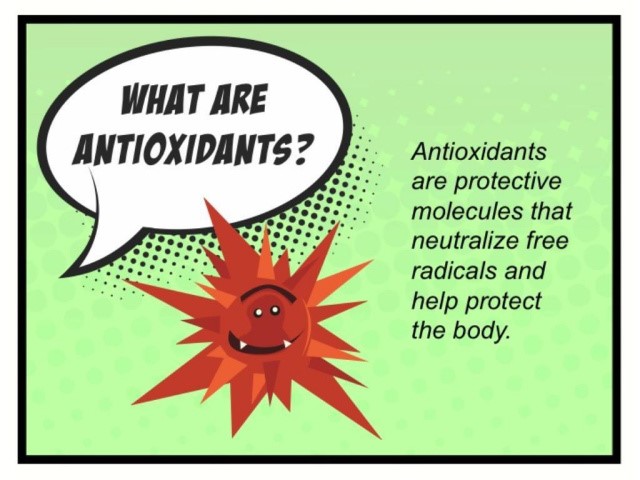
This Photo by Unknown Author is licensed under CC BY-NC-ND

Can’t I just take a GSH supplement?“, you ask. Well, yes you can, but the absorption may not be the greatest. Unless you are taking a liposomal or sublingual form of GSH, it may be more worth your while to take a supplement that works to increase production of GSH. Some examples of this, other than SAMe would be: Vitamin B6, N-acetyl-cysteine, and of course L-glycine and L-glutamine.

(Lots of research went into this one! Check it out here, here, and here)

I hope that you are able to use this time to concentrate on your liver health! It really deserves your love and care- it does a lot for you!
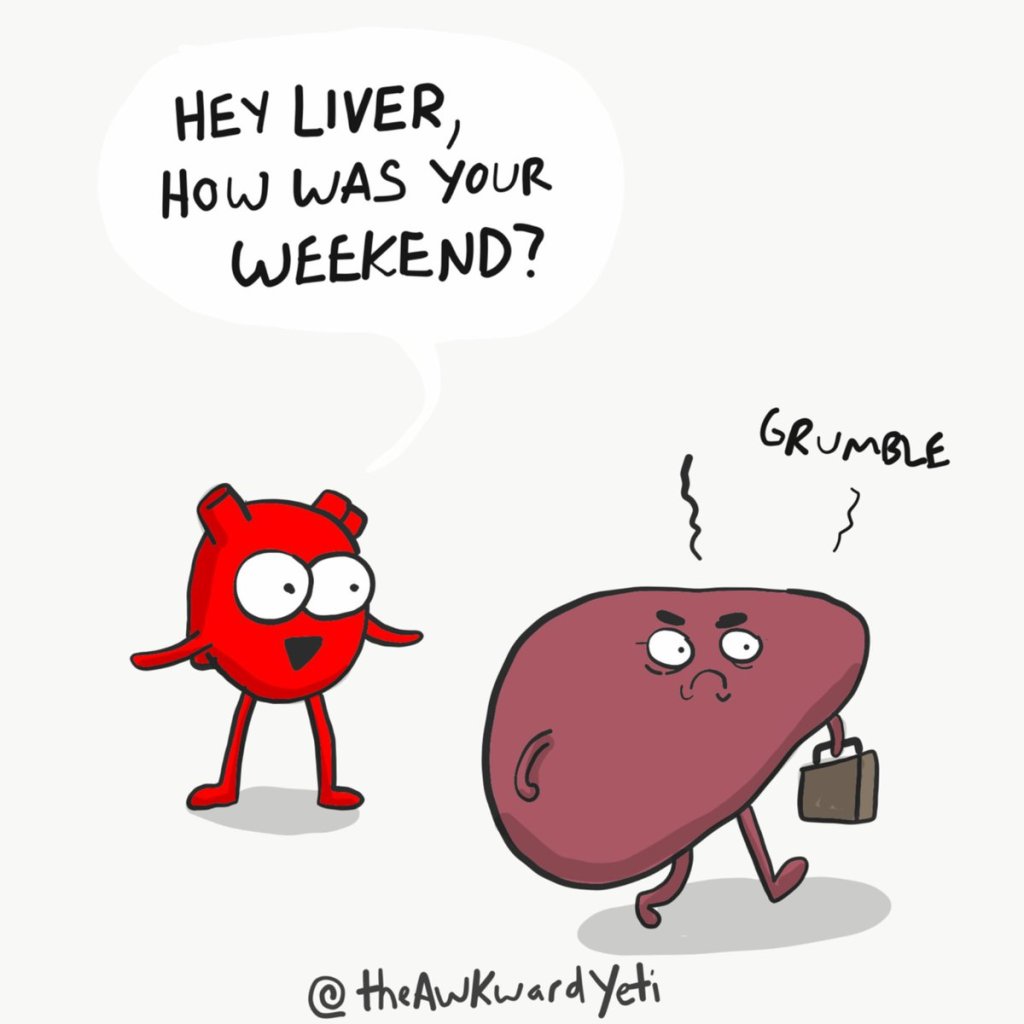
I love The Awkward Yeti comics

Stay sober, happy, and healthy!

If you’re struggling with alcohol addiction or withdrawal and want to know more, pop me an email at Info@DrLornaBlackwell.co.za or visit my website and make a booking online!

Disclaimer! Always consult a qualified medical professional before starting on any medications (conventional, herbal, or homeopathic) or supplements. If you are struggling with addiction please contact someone who can help you.
Anxiety during the Pandemic

The other day I was at the shop, doing my normal shopping- getting myself some yogurt, maybe a warm-up meal for dinner. I saw a woman and her husband kitted out in masks and gloves, running up and down the aisles each with a trolley full of stuff. They had clearly discussed their game plan before-hand and were weaving through people trying to get in and out as quickly as possible. What made me really notice this couple, though, was the woman’s face. Her face was bright red and she was nearly in tears. Her discomfort in being there was palpable. She wanted to get out as soon as possible. Back to the safety of her home.

Photo by Tonik on Unsplash

Tensions are running high right now- people fighting with each other in public, on social media, in community chat groups, people bulk-buying sanitizers, food, water, toilet paper. It’s because people have each gone into “survival mode”. It’s not necessarily about what we can do to survive these trying times together- it’s about self-preservation. How do I make sure I (and my loved ones) get through this. It’s the reason people are panic-buying, leaving nothing on the shelf for others. These reactions are coming from a place of anxiety.

Anxiety is a horrible, uncomfortable feeling that we get when we face uncertainty. The feeling is tied to a bunch of “what ifs”: What if I lose my business? What if I get sick? What if I run out of food? What if I’m in a crowd (like a line at the store) and someone around me is sick?… We are grappling with the fear of what these things could mean for us in the future. It’s a scary time, and these feelings are understandable. However, we need to look after our mental health, and ensure that the anxiety doesn’t drag us down. Here are a few ideas to try and relieve your anxiety:

  1. Get help
  2. Homeopathic medicine
  3. Herbal medicine
  4. Supplements
  5. Exercise

Get help: I will always advocate for getting the mental help you need. There is no shame in reaching out. There are professionals out there who are dedicated to looking after you and your mental health! Talk to someone about your feelings so that they can help you cope. If you don’t want to speak to a professional (again, I highly recommend it) you should at least confide in a trusted loved one who will listen to you and acknowledge your feelings.

Photo by Dan Meyers on Unsplash

Homeopathic medicine: Homeopathy has a beautiful application in mental health and is safe to take whether you are pregnant, breastfeeding, on medication, or have pre-existing health conditions. Homeopathic medications applied in mental health can assist you in coping better with your feelings. There are so many different medications that apply to you and your individual experience in your anxiety, and because we are dealing with something fragile- in this case mental health- I would recommend that you seek advice from a qualified Homeopathic practitioner.

Photo by Kelly Sikkema on Unsplash

Herbal medicine: Unlike homeopathic medicine, herbal medications are not always safe during pregnancy, breastfeeding, with certain medications, and certain pre-existing health conditions. But when used correctly can provide relief in anxiety symptoms. A really great herb to use is Ashwagandha. Ashwagandha is what we call an adaptogenic. It basically helps your body to “adapt” in times of chronic stress. When we are stressed for a long period of time cortisol is released by the adrenal glands (aptly names, the stress hormone) to essentially help keep you going. But this can wreak havoc on our body, resulting in difficulty sleeping, weight gain, feelings of anxiety- to name a few. This study showed some really awesome effects of Ashwagandha on lowering cortisol levels and improving sleep and anxiety symptoms!

Photo from chopra.com

Supplements: There are some really great supplements out there that can be used to help calm your anxiety. You know that feeling that your brain is running a million miles per hour in stressful situations? GABA is a supplement that can help to calm your brain down. Basically, it acts directly on your cells and inhibits the over-activation in your brain (read more science here!).Another supplement is L-theanine- one of my favourites. An amino acid (found in green tea) that has a whole host of effects on the brain including increasing GABA, and increasing seratonin to certain parts! The effects of L-theanine can be felt anything from 30-120 minutes after taking it. (Here’s an interesting study highlighting the anti-stress effects of L-theanine).

Photo from enzolifesciences.com

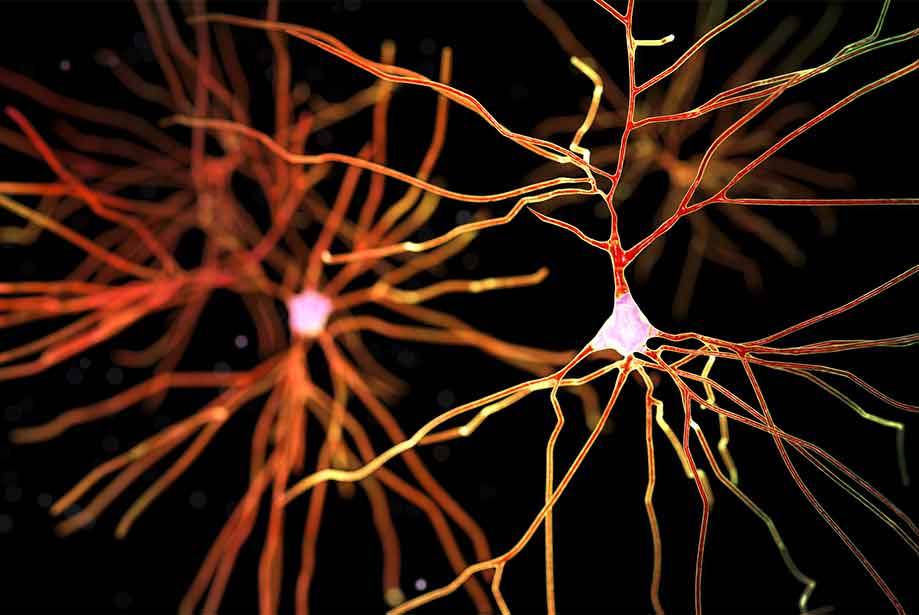
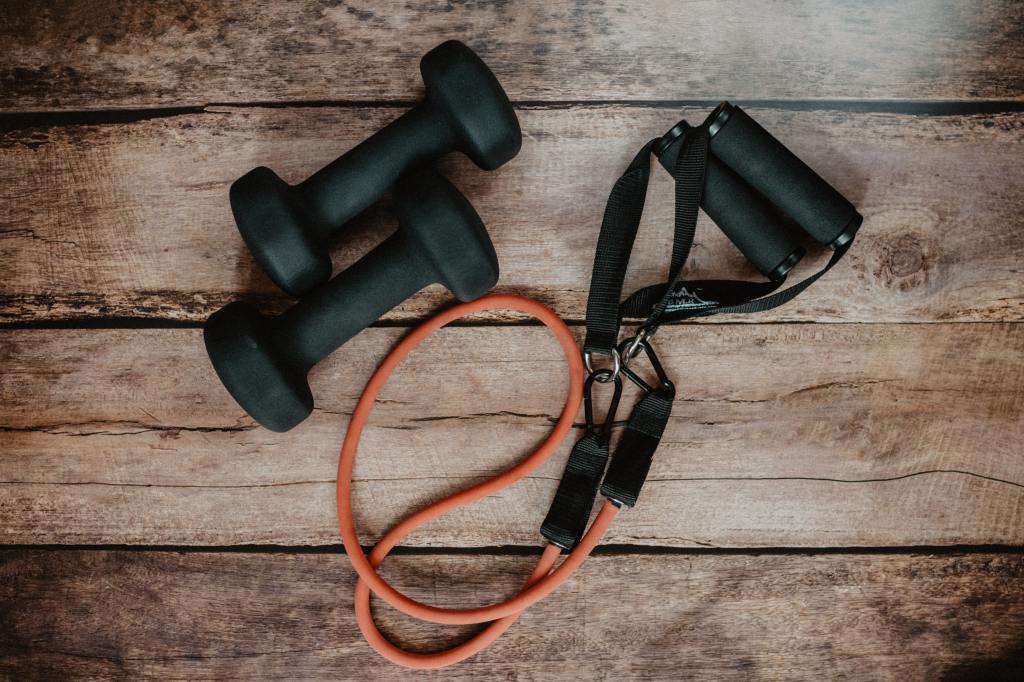
Exercise: While I understand that getting yourself up and moving is difficult when you feel like you’ve got so many other things to worry about, it’s really worth the effort. Exercise can help your brain release endorphins, increases neurotropic factors (that help your neurons grow and function), and also gives you a chance to just zone out and do something other than worry about what you’re so anxious about. This article is really cool and goes into a lot more detail about the effects of exercise on anxiety!

Photo by Alexander Redl on Unsplash

For more ideas on how to maintain your mental health during this trying period, or even in general, please go and read this post I recently wrote! I think you’ll like it!

Stay happy and healthy!

If you’re interested in finding out more about helping your anxiety during this trying period, pop me an email at Info@DrLornaBlackwell.co.za or visit my website and make a booking online!

Disclaimer! As always, if you are struggling with your mental health, please reach out and speak to a professional. Always consult your qualified primary healthcare provider before starting any supplements, herbal/homeopathic medications, and undergoing exercise that may be too strenuous for you.

Mental Health in Lockdown

Social distancing and isolation has resulted in many of us feeling rather lonely, and alone in our thoughts. Being “cooped up” can feel like we are prisoners in our own homes. The idea that we may not leave the house except for essentials can be overwhelming and scary. We can feel detached from our social circles- whether that be our friends, family, work colleagues, or even just the daily interaction between us and different people.

We need to find ways to cope and look after our mental health during this time. Here are a few ways to help you cope:

  1. Acceptance
  2. Adapt and find alternatives
  3. Stay present and mindful
  4. Maintain a routine
  5. Get help
  6. Help others

Acceptance: Know that we are in this together. This is a scary time, not just for South Africans, but the world. Things are changing and it’s okay to feel uncertain, anxious, scared, angry, sad, or whatever else you are feeling. It’s okay! Recognize how you are feeling and accept that feeling. You are human. Your feelings are there for a reason. Don’t try to fight them, welcome them, accept them, and move forward.

Photo by Darius Bashar on Unsplash

Adapt and find alternatives: There are many things you will find that you are now unable to do. You aren’t able to walk your dog, go for a run, visit your mom, go to the gym. We’re in this lockdown for the protection of ourselves and others- we need to abide by these new limitations. But we can get creative and adapt to this new, temporary, way of life. Find some alternatives to maintain the things that you wish you could still do! Can’t go to gym? Try some YouTube exercises in your lounge that are apartment friendly, fun, and just as good of a workout! Can’t see your family in person? Video call them! Open your windows, let the fresh air in. Take the opportunity to read a book on your patio. Sky is the limit!

Photo by Kelly Sikkema on Unsplash

Stay present and mindful: It’s hard to not look to the future right now and worry about your kids, businesses, and life as we know it. But remember that you can handle whatever comes your way. Rather look at the moment that you are in and try to focus on what you can do to help yourself right here, right now. Try to identify what you need at present and use whatever means necessary to help you get that- meditation, journaling, getting creative, research, self-care. I’m not saying that you can’t plan for the future, but I am saying that catastrophic thoughts about what may or may not happen don’t serve you. You’ve got this!

You can meditate anywhere! Even inside!
Photo by Simon Migaj on Unsplash

Maintain a routine: When your daily life has been disrupted it’s difficult to stay on track with the things you would normally do. However, it’s important to maintain a level of normalcy. Practice good sleeping habits (don’t stay up until 2am just because you can!), wake up at a decent time, have your shower, get dressed (you can keep your slippers on!), and just do your day. Put some washing in the washer, declutter your house, have your regular eating times. Maintaining a routine can go a long way in keeping your mental space healthy.

Photo by Content Pixie on Unsplash

Get help: This is an incredibly important point. If you feel like you are not coping, reach out and get some help! Psychologists and psychiatrists form part of an essential service and are still able to assist you with your mental health needs. Many that I know personally are offering virtual consultations so you don’t need to leave your home to see them. Your mental well being is so important at this time, so make sure you recognize your feelings and get the help that you need.

Photo by Renate Vanaga on Unsplash

Help others: Helping others makes you feel good. There are lots of ways you can help others without having to go outside! Spring-clean your home and cupboards. Maybe you’ll find some items that you no longer want/need. You can donate those items to charity shops (like this one), charity organizations (like this one, or this one), or directly to those in need. You can also support businesses that are no-doubt hitting tough times by helping promote them on social media, leaving reviews, etc.

Photo by Kat Yukawa on Unsplash

Stay safe and healthy during these times!

On the 23rd of March 2020, President Cyril Ramaphosa made the announcement that for 21 days South Africa would go on lockdown. This is in an effort to help reduce the number of COVID-19 cases in our country and to essentially “flatten the curve”. While I’m not here to talk about COVID-19 specifically, you can find official and correct information about it here, here, here, and here. The lockdown has meant different things to every single person, but in times like this it is important for all of us to look after our mental health.

If you have more questions about maintaining mental health during lockdown, then pop me an email at Info@DrLornaBlackwell.co.za or visit my website and make a booking online!

Disclaimer! These are just a few ideas to help you cope during times of social distancing and isolation. I am not a mental health expert, but value mental health greatly in all my patients and can see how this is affecting the public at large. Please see above for up-to-date and correct information about COVID-19.

Boost Your Baby!

In a previous post I wrote I gave some helpful advice on how you can boost your immune system. But what about our precious little ones? How can we keep their immune systems strong and healthy while they are still building an immune system in the first place?

Photo by Gabriela Braga on Unsplash

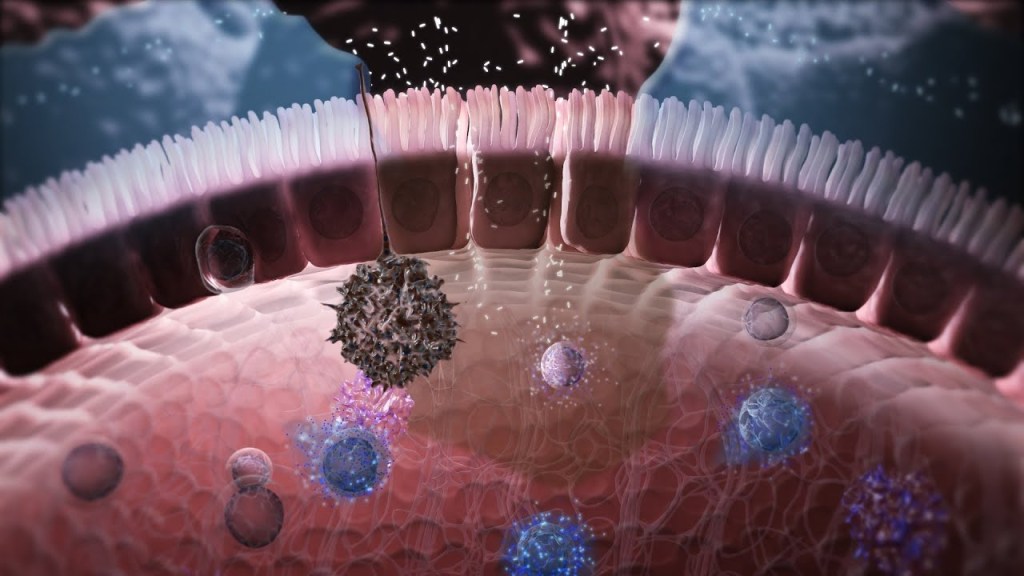
What’s special about a child’s immune system? Well, we are all born with a defense system to keep us safe from the things we encounter- this includes physical barriers (like your skin, your nasal mucosa/lining, etc.) to help trap or physically prevent enemies from invading your body. But if the enemies are able to breach these physical barriers, the body unleashes chemical defenses (like enzymes in your saliva!) and cells that are already present aimed at seeking out and destroying what shouldn’t be there. This we call innate immunity- you are born with it. However, there is another type of immunity called acquired immunity which works a little differently. This type of immunity is learned once the body comes into contact with a new enemy. It identifies it, destroys it, and then stores the memory of it and how it destroyed it in the memory bank. It does this so that it can fight it faster and more efficiently next time it comes around!

In a child, they have that innate immune system, but are still building up their “enemy repository” as they haven’t had that long on this Earth yet to encounter all the enemies! It’s the reason people say “Oh let Jimmy play in the dirt- he needs to build up his immune system” or “Let Stacy lick the handrail! Her immune system needs it” (form your own opinions of this! 🙂 ). It’s also the reason kids bring home all sorts of bugs from daycare. They are in an environment where they are sharing all the bugs with each other, and most of them haven’t even encountered them yet!

We want our kids to build up a strong immune system so that they can acquire their repository of immune defense protocol but to do so in the most efficient way. That is why parents like to boost their children’s immune systems. However, it’s not always easy to know what is safe for our little ones and what’s not recommended. Here are some tips on how to boost your child’s immune system:

  1. Breast milk
  2. Zinc
  3. Probiotics
  4. Herbal formulations
  5. Gemmo-therapeutic formulations

Breast milk: Breast milk is an amazing thing. Did you know that as a breastfeeding mommy some of your own antibodies and other substances are passed on to your child? Amazingly, your breastmilk differentiates between your baby’s good bacteria and bad bacteria- which means that your child will still have all the benefits of the good bacteria such as a healthy gut- and it also fights the bad bugs without causing an inflammatory response which is responsible for much discomfort when you are fighting an infection! You can read this awesome article to learn more about how cool breast milk is.

Photo by Jan Kopřiva on Unsplash

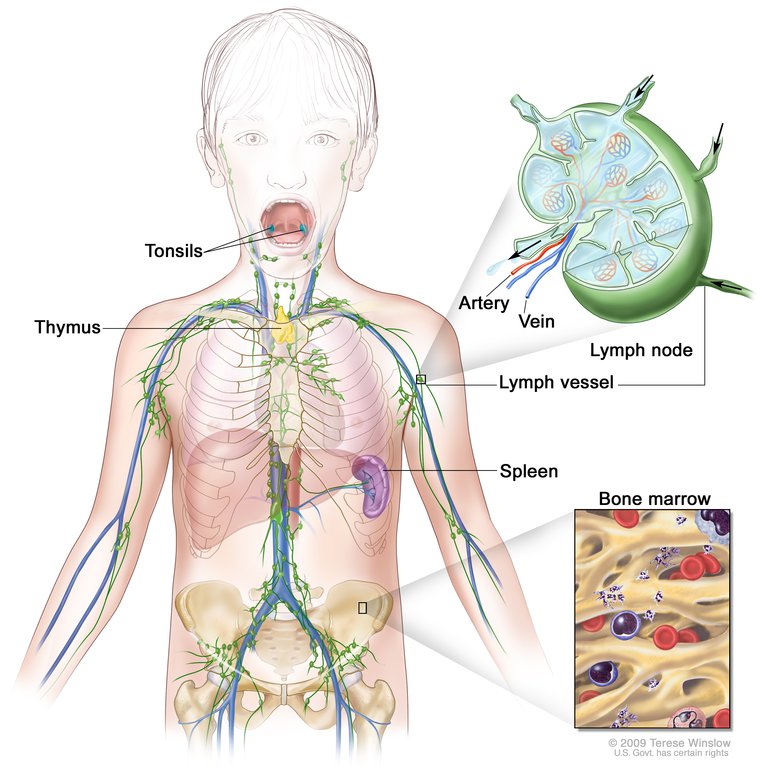
Zinc: We have spoken about the amazing benefits of zinc in previous posts. Zinc activates all sorts of cells in the immune system so that they can fight bad bugs effectively and efficiently and it works strongly on the thymus gland- a gland that is at it’s biggest when you are a child. Between 10mg (for under 6 month-olds) and 20 mg seems to be an effective dosage.

A beautiful graphic showing the lymph system in a child. Note the thymus near the throat.
https://visualsonline.cancer.gov/details.cfm?imageid=9065

Probiotics: Remember that what we put into our mouths is a primary way that the “outside” enters the “inside”- so our gut is very sensitive to the bad bugs. We have bacteria in our guts for a reason: they keep the balance of good vs bad bacteria. Having good bacteria keeps our guts healthy, happy, and inflammation-free. Studies have shown that probiotics (good bacteria) can have a massive effect on the workings of the immune system. Sometimes we just need a little help in introducing these good bacteria. Check out this really cool article researching the different bacteria in your gut and their correlation with different diseases.

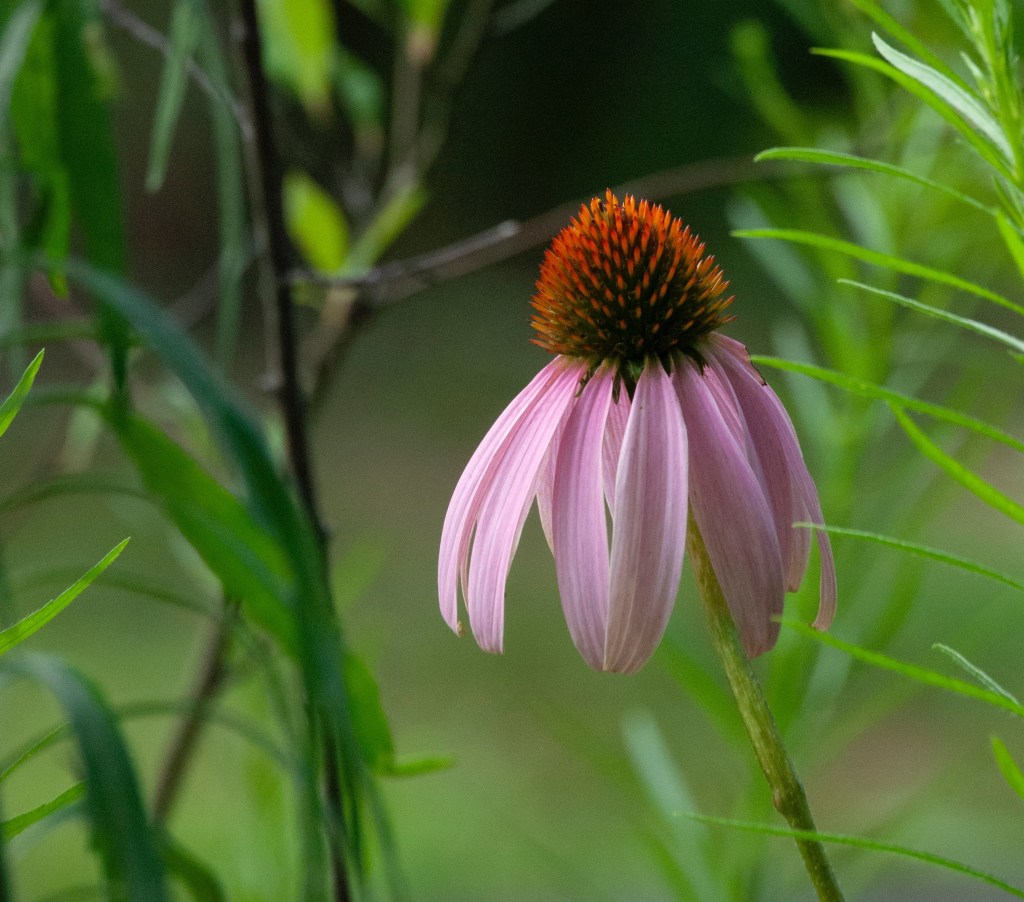
Herbal formulations: As with adults, many herbs have amazing immune-boosting properties. One of my favourite herbals for adults and kids is Echinacea. Echinacea, the Purple Coneflower, works by not only enhancing immune cells, but also helping it produce immune cells.

Photo by Elly Johnson on Unsplash

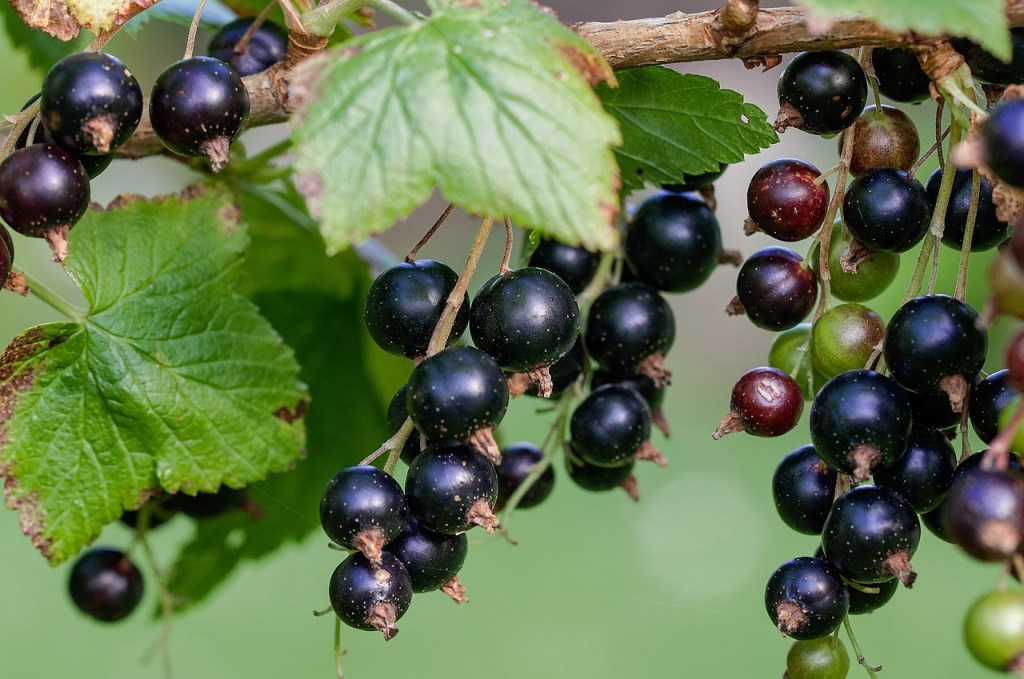
Gemmo-therapeutic formulations: I love using gemmo-therapy on children. These herbs are prepared in a special kind of way- they are made my using the baby form of the plant (so it’s got a few extra chemicals that are helping the plant grow) and are macerated in alcohol and glycerine. We are only using a few drops at a time, so the alcohol won’t make your kids drowsy or anything like that (you can also warm it up a little and let the alcohol evaporate if you are worried). The glycerine gives in a really nice sweet taste- so kids don’t fight with you about taking their yucky medicine! My favourite gemmo for immune boosting is Ribes nigrum, or Blackcurrant.

Image by Pezibear from Pixabay

In the very young we need to be cautious about what we supplement with- many herbs and supplements have not been studied effectively for safety in these ages. When in doubt, breastmilk, probiotics, and zinc is a good bet. With older children we can introduce certain herbals as well. Remember that homeopathy is completely safe for children of all ages (yes, even newborns!) and breast-feeding moms.

Stay healthy, little ones!

If you want to know more about how to keep your little one healthy, then pop me an email at Info@DrLornaBlackwell.co.za or visit my website and make a booking online!

Disclaimer! Always consult your primary care physician, or paediatrician, before taking or giving medications/supplementation of any kind. Use caution in pregnancy, breastfeeding, and when you are taking certain medications or if you have autoimmune conditions.

Homeopathy in Pregnancy

The miracle of growing a whole new person inside of you is incredible!… That is, until you experience the not-so-incredible symptoms many of my patients tell me about!

Photo by Suhyeon Choi on Unsplash

“The morning sickness is killing me!” and “The heartburn is out of this world!”. I have even had a few exasperated husbands begging me to help their wives with the (albeit it normal) mood swings: “She can’t stop crying and I don’t know what to do!”. Mood swings, heartburn, and morning sickness are just a few of the undesirable symptoms that pregnant women experience. And the unfortunate truth is that there are not a lot of conventional medicines that are safe to use during pregnancy. What happens when you contract the flu? Or some dreadful stomach-bug? Homeopathy is safe for you!

Because homeopathic medicines are prepared in a very particular way, they are safe to use during pregnancy to help alleviate the symptoms you may be having! Here are a few of my favourite homeopathic medicines to use for a few common ailments experienced during pregnancy:

  1. Morning sickness: Ipecacuanha

Morning sickness is a terrible symptom that many women experience. Mostly during the first semester, but it can persist beyond this time. Your changing hormones is the most likely reason this will occur. Ipecac is probably the most commonly known homeopathic medicine used for nausea (not just in the case of pregnancy). Often you’ll feel an incredibly sick feeling in your stomach- super nausea! You may vomit, but don’t feel better after vomiting and the nausea is relentless. I love to add this with a few other homeopathic medicines to make a formula that covers all bases and gets rid of your nausea and vomiting so that you can have a much more comfortable day!

2. Heartburn: Robinia pseudoacacia

Having a baby (or babies!) pushing on your insides all the time can be very uncomfortable. One of the side effects of having your little one(s) wrestling with your stomach is heartburn. All that stuff in your stomach gets pushed back up your esophagus and causes discomfort. Another reason that you have heartburn is because your valve (that’s meant to keep your stomach contents from coming back up) is more “relaxed” because of certain hormones! Robinia is a very specific homeopathic medicine in the use of heartburn. You’ll be experiencing discomfort, lots of sourness (burping or vomiting), and of course, the classic burning sensation of heartburn.

3. Emotional disturbances: Pulsatilla pratensis

With so many hormones flying around it’s hard to feel like yourself. Your emotions are all over the place- you may be plagued with what feels like eternal crying (happiness, sadness, maybe even for no reason). You might feel a certain level of grumpiness. Homeopathic medicines, like Pulsatilla, can make a big difference in your mood. If needed, I like to add a bit of Rescue Remedy (bach flower remedies) into the mix just to help any anxieties and help you cope.

Note! Pulsatilla is a very special remedy in pregnancy and has many applications. It’s one that you’ll need to use under the care of a qualified professional.

4. Piles: Aesculus hippocastanum

What could be more frustrating than the constipation that comes with pregnancy? Well, painful, itchy, generally just in-the-way piles is high on that list! Many women are embarrassed by this one, but there is no reason to be. It happens to a lot of pregnant women. Remember that hormones are making certain things more relaxed, you have a baby pushing on your insides, and you may have to fight against constipation! Piles happen easily. Aesculus can really give you relief for your piles- especially when they are painful (maybe even causing back pain), itchy, and even bleeding!

5. Aching back and hips: Bellis perrenis

You are carrying an extra few kilograms of baby which can definitely put strain on your lower back. Also, as mentioned before, you have certain hormones that are making certain things (like your ligaments) more lax in preparation for giving birth. This can cause discomfort and aching in your back and hips. Bellis is a beautiful one that can help give you some relief from the achy pains!

As you can see there are many ways that homeopathy can help you feel better during your pregnancy. Your homeopath will choose the best remedy for you so that you can experience the miracle and excitement of your pregnancy!

Worth it!
Photo by Katie Smith on Unsplash

If you want to know more about what Homeopathy can do for you during your pregnancy, pop me an email at Info@DrLornaBlackwell.co.za or visit my website and make a booking online!

Disclaimer! Always consult a qualified homeopath when using homeopathic medicines during pregnancy. While homeopathy is safe to use in pregnancy some remedies are to be used with caution! A qualified homeopath will know which remedies these are a how best to apply them to your case.

Design a site like this with WordPress.com
Get started